In today’s hyper-connected world, bullying doesn’t end at the school doors. It follows students home through their phones, computers, and social media. Cyberbullying is one of the most pervasive and damaging forms of bullying in the digital age—and often, it’s invisible to the adults who care most.
So how can we recognize it before it does lasting harm? At BRIM AntiBullying Software, we believe awareness is the first step toward prevention.
What Is Cyberbullying?
Cyberbullying is the use of digital technology—like texting, social media, gaming platforms, or email—to harass, threaten, or humiliate someone. Unlike traditional bullying, it can happen 24/7 and reach a wide audience in seconds.
Examples include:
- Posting hurtful or embarrassing comments or images online
- Sending threatening or aggressive messages via text or apps
- Spreading false rumors through social media
- Impersonating someone to damage their reputation
- Excluding someone from group chats or online communities intentionally
Common Signs a Student May Be Experiencing Cyberbullying
Recognizing the signs of cyberbullying isn’t always straightforward, but some behaviors and emotional cues may point to a problem:
📅 Behavioral Changes:
- Suddenly avoiding their phone or computer
- Becoming withdrawn or anxious after being online
- Reluctance to go to school or participate in usual activities
📱 Digital Red Flags:
- Closing screens or hiding devices when adults walk by
- Sudden deletion of social media accounts or contacts
- Increased screen time accompanied by frustration or tears
😪 Emotional Symptoms:
- Mood swings, depression, or unexplained anger
- Loss of interest in things they once enjoyed
- Expressing feelings of worthlessness or hopelessness
What Parents & Educators Can Do
- Start conversations early and often. Ask open-ended questions about online behavior: “Has anyone ever said something online that made you uncomfortable?”
- Monitor digital use responsibly. Set healthy boundaries, use parental tools, and guide students in managing their digital reputation.
- Empower students to speak up. Reassure them they won’t get in trouble for reporting concerns—they’ll be supported.
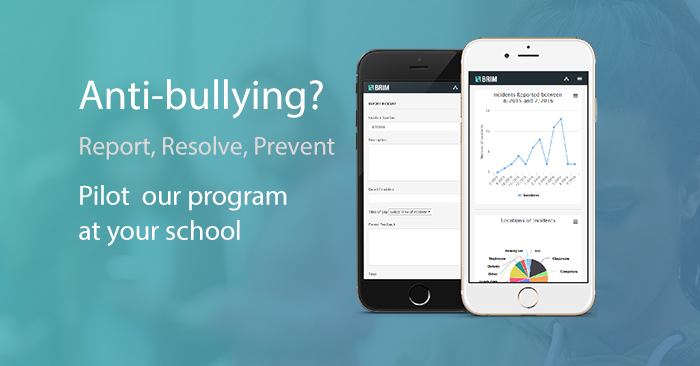
- Use tools like BRIM. Our anonymous reporting system allows students to safely and discreetly report cyberbullying incidents, helping schools act quickly to prevent escalation.
Together, We Can Stop It
Cyberbullying thrives in silence. At BRIM, we’re committed to building a culture where students feel safe to report and supported when they do. Recognizing the signs is the first step. Taking action is the next.
Learn more about how BRIM can help your school address cyberbullying at www.antibullyingsoftware.com
#StopCyberbullying #BRIM #StudentSafety #DigitalWellness #CyberAware