Take a few minutes to scroll through social media or watch the evening news. What do you see?
Celebrities insulting each other.
Politicians attacking their opponents.
Public debates turning into personal attacks.
Respectful disagreement once seemed normal in public conversations. Today, harsh language and public ridicule appear almost routine.
This raises an important question for educators and parents:
Are children learning that bullying behavior is acceptable?
Young people learn by watching the world around them. They listen to adults. They watch media. They observe how people treat each other online.
When disrespect becomes common in public conversations, students may begin to believe that this behavior is normal.
Are Media and Social Platforms Influencing Bullying in Schools?
Students today grow up in a world where communication never stops. Social media, messaging apps, and digital platforms allow constant interaction.
Unfortunately, these same platforms often reward the loudest and most aggressive voices.
When students see public figures using insults, humiliation, or ridicule, they may begin to imitate those behaviors in their own interactions.
Educators across the country are asking an important question:
Has the tone of our public culture become a catalyst for bullying in schools?
While many factors contribute to bullying, cultural influence cannot be ignored.
Free Speech and School Rules: Understanding the Difference
When bullying behavior is challenged, some people argue that students have a right to say whatever they want under the First Amendment.
However, student speech in schools is not unlimited.
The Supreme Court addressed this issue in Tinker v. Des Moines (1969). The Court confirmed that students do have free speech rights. But those rights are not absolute.
Schools are responsible for maintaining safe learning environments. Because of this responsibility, certain types of speech can be limited.
Examples include:
Incitement to Lawless Action
Speech meant to encourage illegal behavior.
True Threats
Statements that show a serious intention to harm someone.
Fighting Words
Language likely to provoke an immediate violent reaction.
Defamation
False statements that damage someone’s reputation.
Schools have both the authority and the responsibility to intervene when speech becomes harmful or disruptive.
Why Early Identification of Bullying Matters
Bullying rarely begins with extreme behavior.
It often starts with small actions such as teasing, exclusion, or repeated negative comments. Over time, these behaviors can grow into serious emotional harm.
The earlier bullying is identified, the easier it is to stop.
However, many students are afraid to report bullying. They worry about retaliation or being labeled as a “snitch.”
Because of this, schools need systems that make reporting safe and accessible.
Technology and Training Can Help Schools Respond
Modern tools can help schools respond more effectively to bullying incidents.
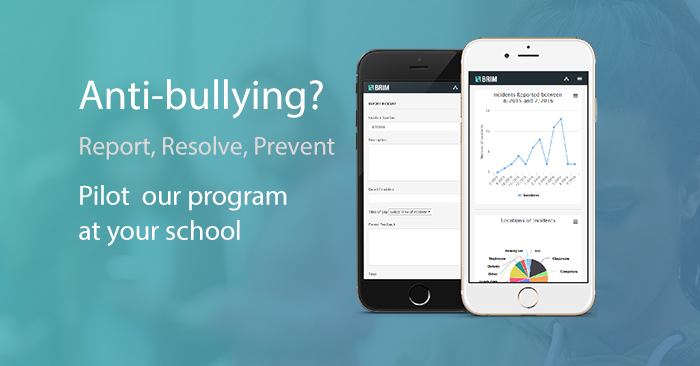
BRIM Anti-Bullying Software allows students and staff to report bullying anonymously. This makes it easier for schools to identify problems early and respond quickly.
Training is equally important.
BRIM Anti-Bullying Training helps teachers and administrators recognize warning signs, understand legal boundaries, and intervene before situations escalate.
When schools combine reporting tools, staff training, and clear policies, they are much better equipped to protect students.
Creating a Culture of Respect
Bullying prevention does not begin or end in the classroom.
Parents, educators, community leaders, and public figures all influence how young people treat one another.
When adults model respect, accountability, and empathy, students are far more likely to follow those examples.
Schools should always be places where students feel safe, respected, and supported.
Creating that environment requires awareness, training, and a commitment to address bullying before it becomes a crisis.
Learn More
If you are a school administrator, teacher, or school safety professional, training your staff to recognize and respond to bullying is one of the most important steps you can take to protect students.
Learn more about BRIM Anti-Bullying Training and Reporting Software at:
👉 BRIMAntiBullyTraining.com
Together, we can help ensure that every student learns in a safe and respectful environment.