Why Schools Must Be Proactive and Not Reactive
Bullying affects students of all backgrounds, but research and lived experience continue to show that students who identify as part of the LGBTQIA+ community are disproportionately impacted. For schools, this is not about ideology or labels—it is about student safety, well-being, and the responsibility to create learning environments where all students can succeed.
At BRIM (Bullying, Reporting, Intervention, and Monitoring), we believe that prevention begins with awareness, training, and clear systems of support, not assumptions or silence.
Understanding the Reality in Schools
Students who identify as LGBTQIA+ often report:
-
Higher rates of verbal harassment
-
Increased social exclusion
-
Cyberbullying that follows them beyond school walls
-
Reluctance to report incidents due to fear of retaliation or disbelief
These challenges can lead to:
-
Chronic absenteeism
-
Declining academic performance
-
Anxiety, depression, and isolation
-
Long-term emotional harm
When bullying goes unidentified or unaddressed, it doesn’t just affect one student—it impacts the entire school culture.
But too often…
Why Bullying Often Goes Unreported
Many students do not report bullying because:
-
They don’t believe adults will act
-
They fear being labeled or singled out
-
They are unsure what qualifies as bullying
-
They worry reporting will make the situation worse
This is why training matters. Educators and staff need practical guidance on:
-
How to recognize subtle or indirect bullying
-
How to respond appropriately and consistently
-
How to document and monitor patterns over time
-
How to support students without escalating harm
The Role of Schools: Neutral, Safe, and Supportive
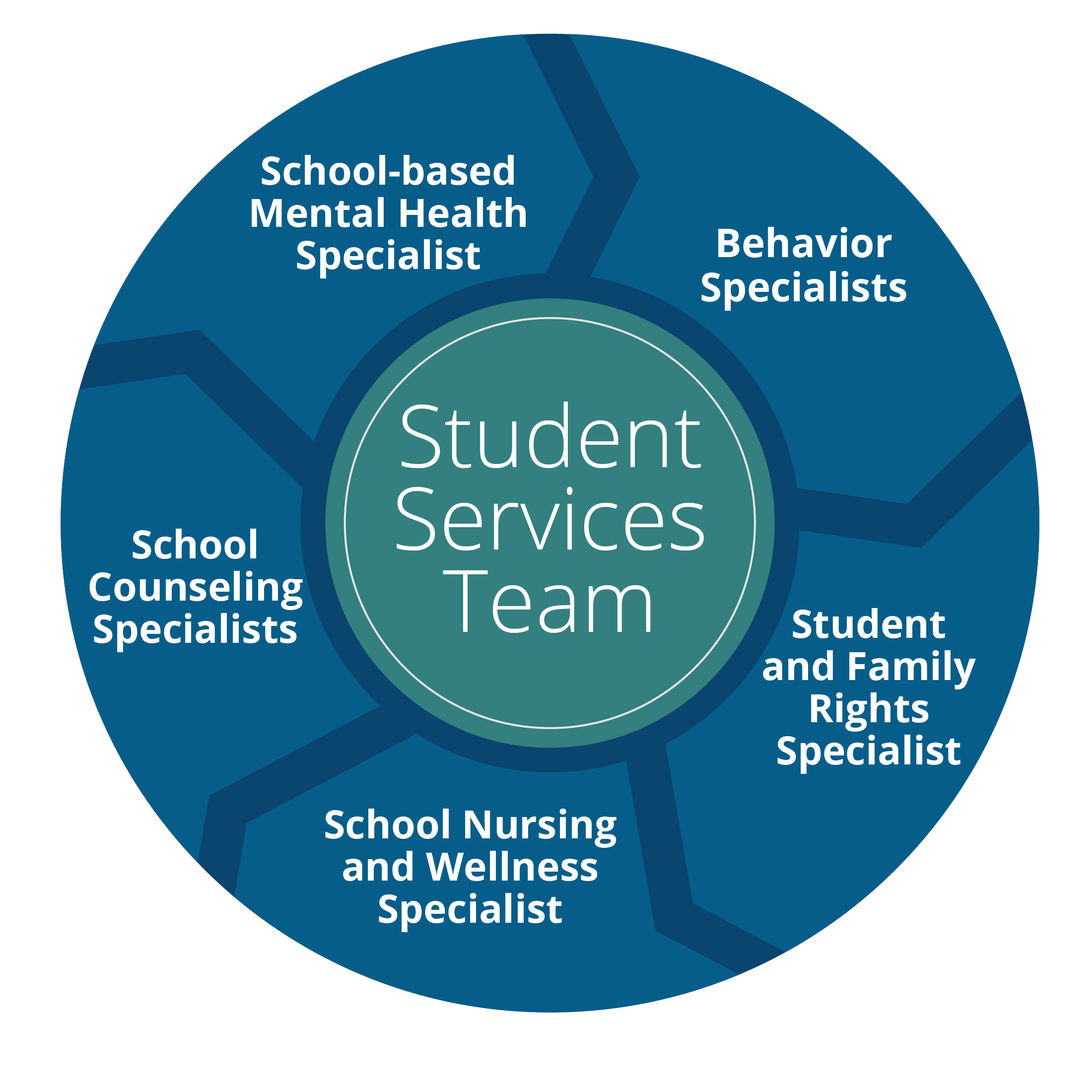
Supporting student safety does not require schools to take political positions. It requires schools to:
-
Enforce anti-bullying policies consistently
-
Provide safe, confidential reporting channels
-
Train staff to respond professionally and compassionately
-
Monitor incidents for repeat behavior and escalation
-
Communicate clearly with families and administrators
Every student deserves to feel safe walking into a classroom. Period.
How BRIM Helps Schools Take Action
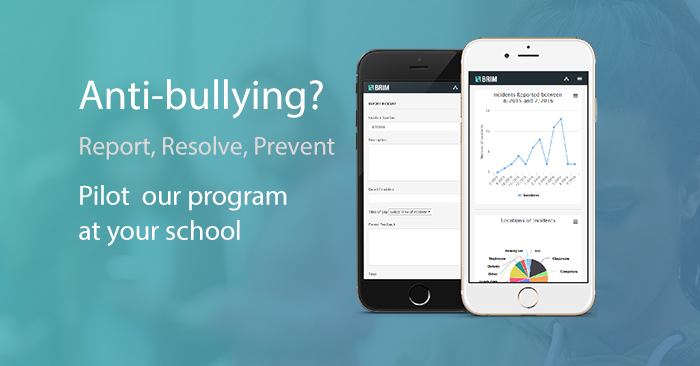
BRIM was created by educators who experienced firsthand what it feels like to be undertrained and unsupported when bullying situations arise.
Our platform helps schools:
-
Report: Allow students and staff to submit concerns safely and confidentially
-
Identify: Detect patterns that might otherwise go unnoticed
-
Intervene: Provide structured, documented response pathways
-
Monitor: Track incidents to prevent repeat offenses and escalation
-
Train: Equip staff with certification-based learning that builds confidence and consistency
By focusing on behavior, impact, and accountability—not labels—schools can address bullying in a way that is fair, effective, and legally sound.
Moving Forward with Clarity and Compassion
Bullying prevention is not a one-time training or a policy buried in a handbook. It is an ongoing commitment to:
-
Listen carefully
-
Act responsibly
-
Document consistently
-
Support students thoughtfully
When schools are proactive, students are safer.
When educators are trained, incidents are addressed earlier.
When systems are in place, no student falls through the cracks.
BRIM’s Commitment
At BRIM, our mission is simple:
To help schools identify, address, and prevent bullying—before it causes lasting harm.
We believe every student deserves dignity, every educator deserves proper training, and every school deserves tools that actually work.